
 Jun 28, 2026
 -
 By Admin
What Are the Best Termite-Resistant Window Materials in Louisiana?
New Orleans has the worst Formosan subterranean termite infestation in the co...
Read More


Talk to an Expert 504-226-5708
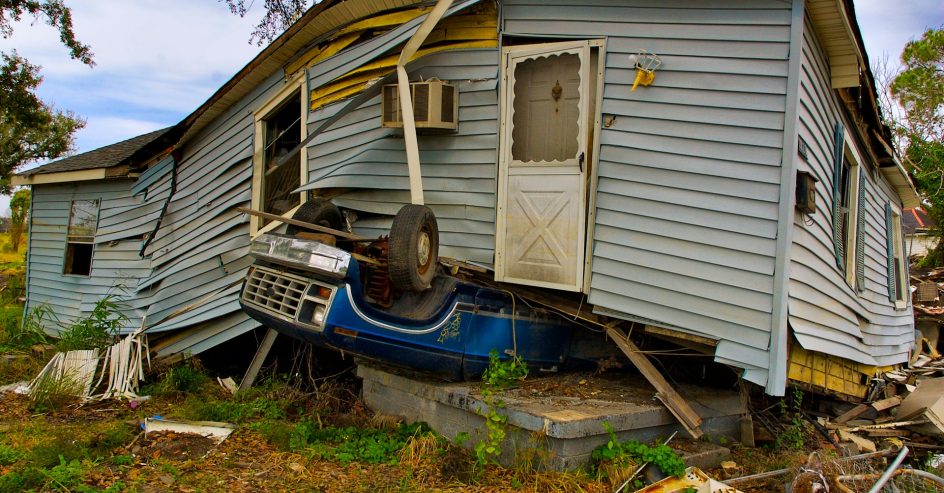
Many New Orleans homes sit in FEMA flood zones, where storm surge, wind, and debris all threaten windows. The best protection comes from impact-rated windows with high Design Pressure ratings and water-tolerant frames, which resist both hurricane winds and the moisture that follows a flood.
Water and wind define the risk for New Orleans homes. With the city’s low elevation and its place in the hurricane strike zone, many neighborhoods carry a FEMA flood zone designation, and that shapes how homeowners protect their houses. Auto and Home Window Replacement has spent more than 30 years helping Louisiana families harden their homes against storms. This article explains what makes a window flood-resistant and which ratings matter.
Flood-resistant windows protect a home by combining impact-rated glass, water-tolerant frames, and strong seals that resist debris, wind pressure, and moisture.
During a storm, the greatest danger to a window is flying debris that breaks the glass and lets wind and water inside. Impact-rated windows use laminated glass that holds together when struck, much like a car windshield, which keeps the opening sealed. Pairing that glass with vinyl or fiberglass frames means the window also resists the warping and rot that standing water and humidity cause afterward. Homeowners can explore impact-resistant window options built for these conditions.
Homeowners should check the Design Pressure rating, the impact test standards, and the U-factor to judge how well a window handles storms and heat.
The table below outlines the features that matter most in a flood zone and what to look for in each.
| Window feature | How it helps in flood zones | What to look for |
|---|---|---|
| Impact-rated glass | Resists storm debris and breakage | ASTM E1886 and E1996 testing |
| High DP rating | Withstands hurricane wind pressure | DP 50 or higher |
| Water-tolerant frames | Resist warping from moisture | Vinyl or fiberglass |
| Strong sealing systems | Limit water intrusion | Tight, tested weatherstripping |
| Low-E insulated glass | Adds efficiency year round | U-factor 0.32 or lower |
A DP rating of 50 or higher signals strong wind resistance, while ASTM E1886 and E1996 testing confirms the glass can take a large missile impact, a nine-pound two-by-four fired at about 50 feet per second, followed by thousands of wind-pressure cycles. A U-factor of 0.32 or lower, the ENERGY STAR target for the Southern climate zone that includes Louisiana, keeps the same window working for energy efficiency once the storm passes. Homeowners who want help matching ratings to their home can request a free estimate.
For homes in FEMA flood zones, impact windows are often worth the cost because they reduce storm damage, add daily efficiency, and improve security.
Impact windows do double duty, defending against hurricane debris and adding insulation and noise control the rest of the year. They do not remove the need for flood insurance, but they lower the odds of a broken opening that lets water and wind into the home. The same termite and moisture pressures covered in the post on termite-resistant window materials in Louisiana also make non-wood, storm-rated frames a smart match for flood-prone homes. Installing before hurricane season, which starts June 1, gives the best protection.
Flood-resistant windows use durable, water-tolerant frames, strong seals, and impact-rated glass that holds up to storm debris and standing water far better than old single-pane units.
Requirements depend on the specific zone and local code, so homeowners should confirm with local building officials, but impact-rated windows are a common choice for storm hardening.
No. Windows reduce damage risk, but homes in FEMA flood zones still need flood insurance, and many owners pair window upgrades with broader storm hardening.
Design Pressure, or DP, measures how much wind pressure a window can handle. A DP rating of 50 or higher is often recommended for hurricane-prone areas.
Wind protection resists pressure and flying debris, while flood resistance focuses on water exposure and durable materials. Storm-rated windows often address both.
Yes. Impact-resistant windows are tested against large missile impacts under ASTM E1886 and E1996, which makes them a strong defense during hurricane season.
Some storm hardening upgrades may affect insurance, so it is worth asking your insurer, though savings vary by policy and location.
Hurricane season runs June 1 through November 30, so installing storm-rated windows before late spring gives the best protection ahead of peak activity.

 By Admin
 New Orleans has the worst Formosan subterranean termite infestation in the co...
Read More 
Louisiana summer heat makes windshield chips and cracks spread fast because g...
Read More 
Many New Orleans homes built from the 1930s to the 1950s still have their ori...
Read More 
Upgrading your home’s windows can offer far more than just a visual upgrade. ...
Read More 
New Orleans humidity, which averages about 76 percent and climbs into the hig...
Read More 
Energy-efficient windows can cut cooling costs in New Orleans, where air cond...
Read More